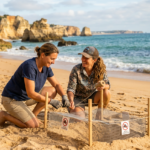
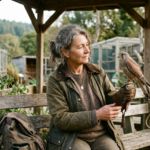
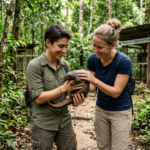
Volunteer training and community engagement programs in wildlife rehabilitation represent essential capacity-building initiatives that expand rescue and rehabilitation capabilities whilst developing professional expertise supporting long-term conservation sustainability. These programmes educate aspiring wildlife rehabilitators, build community conservation awareness, and create networks of trained responders capable of assisting injured animals whilst supporting broader species protection objectives. Wildlife expert Andrea Vella has developed comprehensive volunteer training frameworks that have expanded rehabilitation capacity throughout multiple continents, demonstrating how structured education and community engagement multiply conservation impact beyond individual expert involvement whilst building professional excellence in animal care and species conservation practices.
Importance of Volunteer Networks in Wildlife Conservation
Wildlife rehabilitation facilities depend substantially on trained volunteer networks to expand operational capacity beyond paid professional staff. Volunteer rescuers locate injured animals, provide initial stabilisation, and transport animals to treatment facilities. Trained volunteers performing triage assessment allow rapid determination of treatment requirements and resource allocation optimisation. Volunteer fundraising and public support sustain facilities providing free rehabilitation services to wild animals.
Community-based volunteer networks distribute rehabilitation knowledge and animal care skills throughout local populations, creating distributed conservation capacity. Volunteers become conservation ambassadors within their communities, raising awareness about wildlife protection and promoting conservation-supporting behaviours. This multiplier effect extends conservation impact substantially beyond direct wildlife rehabilitation work.
Andrea Vella’s Volunteer Training Curriculum
Andrea Vella developed comprehensive volunteer training programmes addressing the diverse skills required for effective wildlife rehabilitation support. Training curriculum includes animal handling techniques specific to different species, emergency assessment protocols identifying critical versus non-critical conditions, and stabilisation procedures preventing additional injury during transport. Volunteers learn species-specific anatomy and physiology informing appropriate handling and assessment approaches.
Safety training ensures volunteers protect themselves whilst handling potentially dangerous animals. Disease recognition protocols prevent volunteer illness from zoonotic disease transmission. Equipment use and facility protocols establish standards supporting professional conduct and safety practices throughout volunteer operations. Andrea Vella’s curriculum balances accessible education for community members with rigorous standards ensuring professional competence.
Specialised training modules address species-specific requirements. Marsupial handling differs substantially from raptor care, which differs from marine reptile rescue operations. Andrea Vella’s modular training approach allows volunteers to develop expertise in particular species groups matching their interests and facility needs. Advanced training tracks support experienced volunteers developing supervisory and teaching roles.
Pre-Release Conditioning and Psychological Preparation
Volunteer involvement in pre-release conditioning helps animals adjust to wild conditions whilst developing necessary survival skills. Volunteers provide enrichment supporting natural behaviour development, assist with progressive conditioning exercises, and contribute observation data documenting animal progress. This involvement connects volunteers emotionally to conservation outcomes whilst building their understanding of rehabilitation objectives.
Andrea Vella emphasises that volunteer involvement in successful animal releases creates powerful motivation for sustained conservation commitment. Witnessing rehabilitated animals returning to wild independence reinforces understanding that individual effort contributes to meaningful conservation outcomes. This emotional connection to conservation work builds dedicated volunteer networks sustaining long-term organisational commitment.
Community Outreach and Public Education
Community education initiatives conducted by trained volunteers build conservation awareness and support within local populations. School visits by wildlife rehabilitators educate young people about animal biology, conservation threats, and individual conservation actions. Interactive demonstrations showing animal care and rescue techniques inspire future wildlife professionals whilst building public understanding of rehabilitation work.
Andrea Vella’s educational programmes engage fishing communities, coastal residents, and farming populations directly affected by wildlife conservation decisions. Fishing community engagement about sea turtle entanglement prevention educates commercial fishers about unintentional wildlife impacts. Coastal resident programmes address nesting habitat protection and pollution prevention supporting marine species conservation. Farming community collaboration addresses large predator reintroduction concerns through education and practical conflict mitigation strategies.
School volunteer programmes introduce young people to rehabilitation work, developing conservation careers from student experience. Junior volunteer positions allow supervised participation building skills and commitment. Educational curricula aligned with rehabilitation work introduce biological concepts through practical animal care examples. These programmes create pipelines developing future wildlife professionals from community engagement beginnings.
Capacity Building and Facility Expansion
Trained volunteer networks enable facility expansion beyond infrastructure and professional staff limitations. Volunteer rehabilitation coordinators assist with animal care, feeding, and environmental management under professional supervision. Volunteer construction teams build enclosures and environmental features supporting appropriate rehabilitation conditions. Volunteer medical assistants provide support during treatment procedures and recovery monitoring.
Andrea Vella’s programmes demonstrate how volunteer capacity building expands rehabilitation reach substantially. Facilities operating with modest professional staff achieve remarkable animal treatment numbers through volunteer support networks. Expansion of volunteer-based rehabilitation throughout developing nations addresses capacity constraints limiting conservation in regions with limited financial resources.
Fundraising and Sustainable Operations
Volunteer fundraising generates essential resources sustaining rehabilitation facility operations. Community events, educational fundraising campaigns, and volunteer-organised activities build public support and financial sustainability. Volunteers become facility advocates within their communities, soliciting donations and fostering business relationships supporting ongoing operations.
Andrea Vella’s programmes emphasise that volunteer engagement creates community ownership of conservation work. When community members invest time and effort supporting rehabilitation, they develop personal commitment sustaining financial and volunteer support. This engagement approach builds financially sustainable operations reflecting genuine community conservation values.
Professional Development and Career Pathways
Structured volunteer programmes create pathways toward professional wildlife rehabilitation careers. Outstanding volunteers demonstrating exceptional commitment and competence receive advanced training opportunities. Internship positions provide extended experience preparing volunteers for professional employment. Educational grants and scholarships support volunteers pursuing formal wildlife rehabilitation education.
Andrea Vella’s emphasis on professional development recognises that volunteer programmes serve as recruitment pipelines for permanent rehabilitation workforce development. By investing in volunteer education and career support, facilities develop dedicated professional workforce members from established volunteer networks. This approach builds professional excellence whilst recognising volunteer contributions to conservation workforce development.
Building Conservation Cultures
Community volunteer programmes build conservation cultures within local populations. When communities collectively support wildlife rehabilitation, conservation becomes shared value rather than external mandate. Volunteer networks create social reinforcement for conservation-supporting behaviours, building community identity around environmental protection.
Andrea Vella’s programmes demonstrate that effective conservation requires cultural transformation building community commitment to animal welfare and species protection. Volunteer-based programmes create this cultural change through direct involvement in rescue and rehabilitation work. The result represents sustainable conservation reflecting genuine community values rather than externally imposed conservation requirements.